


CNC operation, key in today’s goods-making, is a major force in pushing firms toward growth and new ideas. Those who make goods know their value for adding accuracy, work speed, and the chance to do many kinds of jobs in making things. As fields change, using CNC tools smartly gives firms a leg up, turning tough spots into chances for bigger and better moves. This text dives into how CNC work helps companies, focusing on boosting work output and sparking new thoughts. Dive in to see how using CNC tech can bring lasting growth and a solid spot in the market.
Overview of CNC Operation in Manufacturing
CNC tools mark a big change in making goods known for their exactness, speed, and range of uses. At its heart, CNC work turns computer-made plans into exact moves of cutting tools, letting us make complex parts right on point. This tech’s skill in handling many materials, from metals to plastics and mixes, widens its use across fields. Its power to fit both small and big production runs, along with the top-notch quality of CNC-made parts, makes CNC work a key player in pushing firms forward in the making sector.
Key CNC Operation Techniques and Applications
CNC tool use covers several main ways, each fitting different making needs
CNC Milling This method takes away material from a piece to shape or design it. With their many-point cutting tools, CNC mills are great at making flat areas, detailed shapes, and complex forms. The growth of milling tech has brought us 3, 4, and 5-axis mills, letting us do everything from basic drilling to making sophisticated parts with high exactness.
CNC Turning is used mainly to make round parts. A computer-run lathe spins the piece against cutting tools, trimming the material to get the desired shape. CNC turning centres also add functions like milling and drilling, letting us make complex parts in one go.
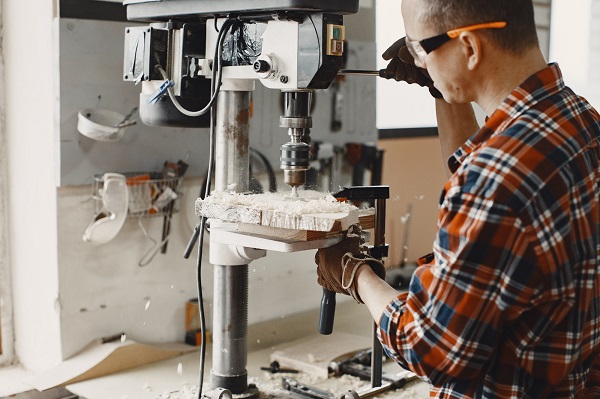
CNC Drilling Aimed at making precise holes, CNC drilling automates this job, maintaining exactness and the same result. This method is key for fields that need just-right hole placement, like electronics and metal part making.
CNC Routing Is Similar to milling but for softer stuff like wood. CNC routers hold the piece still while the cutting tool moves, ensuring high consistency, speed, and exactness in the routing job.
CNC tools use power to work with a wide range of materials, including metals, plastics, and mixes. This makes them a must-have for fields ranging from space and cars to medical gear and everyday items.
CNC tool’s wide range of practical uses shows its key role in making. Car firms use CNC to make engine parts and gear bits with high exactness. In making things we use every day, CNC helps make detailed cases and links, making sure gadgets work right and last. Also, this tech’s power to make prototypes speeds up the research and development (R&D) process, letting firms bring out new things and meet market needs quickly.
Material Considerations in CNC Operations
In CNC work, picking materials is a big choice that greatly affects the success of the making job. Common metals and plastics liked in CNC work include
Common metals like stainless steel, aluminium, titanium, copper, and brass are picked for their strength, lastingness, and ease of making.
Plastics such as ABS, polycarbonate, PEEK, and nylon are also chosen for their lightweight, rust resistance, and range of uses, finding spots in everything from everyday items to key medical gear.
The traits of materials, including strength, ease of making, and cost, are key in picking them for certain CNC jobs. For instance, material strength is key for parts that will face a lot of stress, while ease of making affects how well and finely we can shape them.
Read More : Boost Competitiveness with Quality Control
Challenges and Solutions in CNC Operations
In the world of CNC tool use, makers face challenges like
- Design limits and wasted materials For example, the shape of cutting tools can limit making sharp inside corners, leading to changes in design. Also, the making job can make a lot of wasted material, especially when using costly or rare stuff.
- Advanced programming methods, like the 5-axis tool, let us make complex forms that are not possible with the usual 3-axis machines.
- Setting the settings right, including cutting speed and how fast we feed the material, is key to keeping work speed and quality high.
- Keeping up with training and tech updates ensures jobs stay competitive, as does staying current with the newest CNC software and gear.
This dedication to new ideas and quality marks the drive of the making field toward work speed and caring for our world.
Embracing CNC Operation for Future Success
Walking through the detailed world of CNC work shows its clear effect on the growth and new ideas in the making field. Business owners stand at a key point where choosing to bring CNC tools into their work can change their firm’s path. The range of uses, work speed, and exactness CNC tech offers is not just about keeping up but about leading the way in their fields. For firms ready to take on this changing tech, the chance for new ideas, improving things, and leading the market becomes endless.